Colorful Flowers: A Fusion of Art and Utility in Modern Design
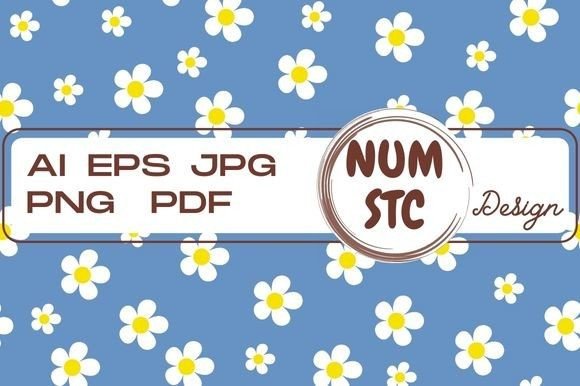
In a world where visual appeal often dictates engagement, Colorful Flowers have emerged as a powerful design element that bridges creativity with functionality. Whether used in branding, digital interfaces, or print materials, the vibrant imagery of flowers offers both aesthetic value and symbolic meaning. When paired with seamlessly repeating vector patterns, this combination becomes a versatile tool for designers, entrepreneurs, and creators looking to make an impact without sacrificing quality or consistency.
The Rise of Seamless Vector Patterns in Design
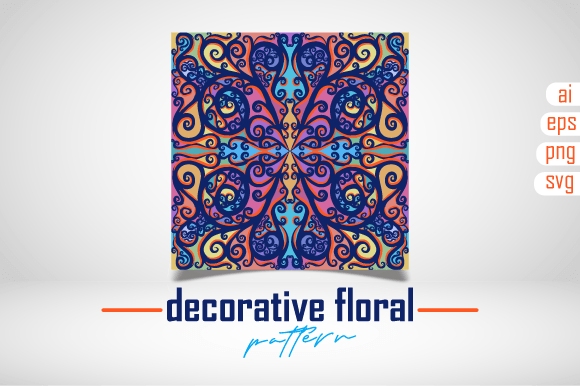
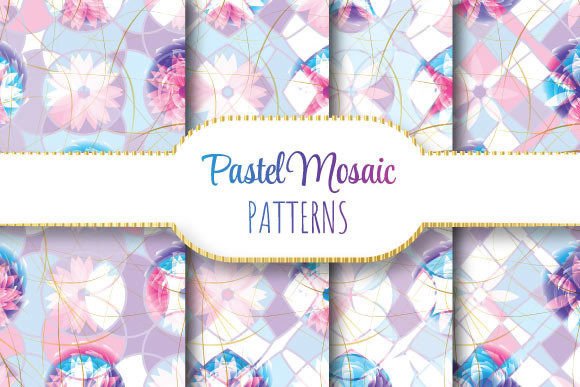
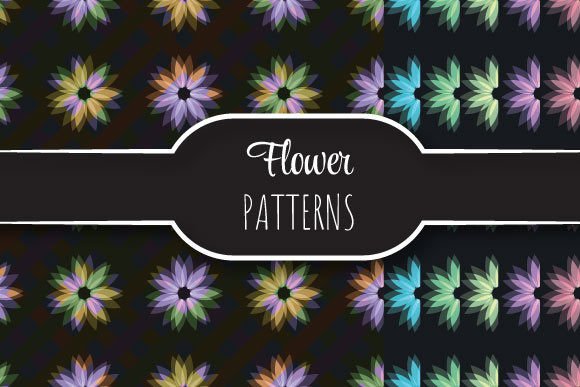
Seamless vector patterns are more than just decorative elements—they represent a shift in how we approach design workflows. These patterns allow for infinite scalability and adaptability, making them ideal for use across various platforms and mediums. In particular, the integration of Colorful Flowers into these patterns adds depth, color, and emotional resonance to otherwise static designs.
For instance, a designer working on a website might use a seamless floral pattern as a background to create a visually engaging user experience. The same pattern could also be applied to product packaging, marketing collateral, or even interior design projects. This versatility is why seamless vector patterns have become a staple in modern creative practices.
Why Colorful Flowers Matter in Today’s Design Landscape
Flowers have long been associated with beauty, growth, and renewal—qualities that resonate deeply with audiences. In recent years, there has been a growing trend toward organic, nature-inspired aesthetics in both physical and digital spaces. This shift is driven by a desire for authenticity and a connection to the natural world, especially among professionals and consumers who prioritize sustainability and mindfulness in their choices.
Colorful Flowers play a key role in this movement. Their ability to convey emotion through color and form makes them particularly effective in storytelling and brand identity. For example, a skincare brand might use a floral pattern to evoke feelings of purity and care, while a fashion label could leverage the same design to communicate elegance and sophistication.
Moreover, the rise of remote work and digital-first lifestyles has increased the demand for visually appealing content that can be easily shared and adapted. Seamless vector patterns provide a solution by offering high-quality, scalable assets that can be used across multiple platforms without loss of fidelity.
Technical Specifications and File Formats
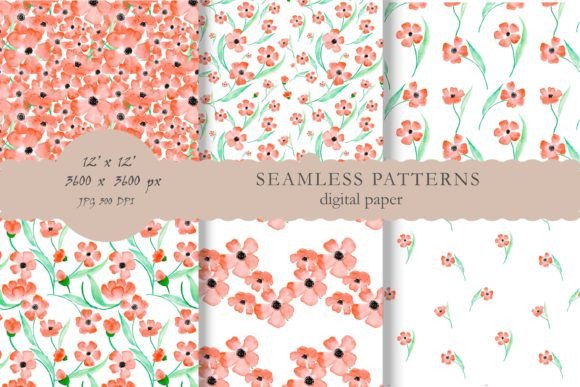
When working with Colorful Flowers and seamless vector patterns, it's essential to understand the technical requirements that ensure optimal performance and usability. One such specification is the file size: each design is formatted at 12 x 12 inches (3600 x 3600 pixels) at 300dpi. This resolution is standard for professional printing and ensures that the final output maintains clarity and sharpness, even when scaled up or down.
The EPS 10 file format is particularly well-suited for this type of design. EPS (Encapsulated PostScript) is a vector-based format that supports both bitmap and vector graphics, making it ideal for complex designs like floral patterns. The version 10 update introduced enhanced features such as improved compatibility with modern design software and better support for embedded fonts and images.
In addition to the EPS file, the package includes six JPEG files. These are optimized for web use and provide a quick preview or alternative format for situations where vector files may not be supported. The inclusion of both formats ensures that users have flexibility in how they apply the design across different contexts.
Practical Applications and Real-World Use Cases
The practical applications of Colorful Flowers and seamless vector patterns are vast. Let’s explore a few examples:
- Branding: A boutique business might use a floral pattern as a logo or recurring graphic to reinforce its brand identity. The seamless nature of the pattern allows it to be used consistently across all touchpoints, from social media to packaging.
- Digital Marketing: In email campaigns or social media posts, a floral pattern can serve as a background that enhances readability while maintaining a cohesive visual theme.
- Interior Design: Floral patterns can be used in wallpaper, textiles, or wall art to add a touch of elegance and warmth to any space.
- Print Media: Magazines, brochures, and posters benefit from the high-resolution quality of the 3600 x 3600 pixel format, ensuring that the final print looks as intended.
These real-world applications highlight the importance of choosing the right file format and resolution. By understanding the technical specifications, designers can ensure that their work meets the expectations of both end-users and production teams.
Choosing the Right Format for Your Needs
When deciding between EPS and JPEG formats, it's important to consider the specific needs of your project. The EPS file is best suited for print and high-quality digital use, while the JPEG files offer convenience for web and mobile applications. However, it's worth noting that JPEGs are compressed, which means some detail may be lost compared to the original vector file.
For those who need full control over the design, the EPS format provides the flexibility to edit and scale the pattern without degradation. This makes it an excellent choice for designers who plan to modify the pattern in the future or use it in a variety of contexts.
Additionally, the zip file containing one EPS and six JPEG files offers a convenient package that covers both professional and casual use cases. This format is particularly useful for businesses and freelancers who need to deliver high-quality assets quickly and efficiently.
Conclusion
Colorful Flowers and seamless vector patterns represent a powerful intersection of art and utility in modern design. As trends continue to favor organic, nature-inspired aesthetics, these elements are becoming increasingly relevant across a wide range of industries. Whether you're a professional designer, entrepreneur, or hobbyist, understanding the technical aspects and practical applications of these patterns can help you create more impactful and consistent work.