Knitted Lines and Seamlessly Repeating Patterns: A Guide to Modern Design Elements
In the world of graphic design and digital art, certain elements stand out for their simplicity, elegance, and versatility. Among these are knitted lines and seamlessly repeating patterns. These design components are not only visually appealing but also serve practical purposes across various industries. Whether you're a designer, artist, or simply someone interested in understanding the language of visual design, this article will explore the concept, significance, and applications of knitted lines and seamless patterns.
What Are Knitted Lines?
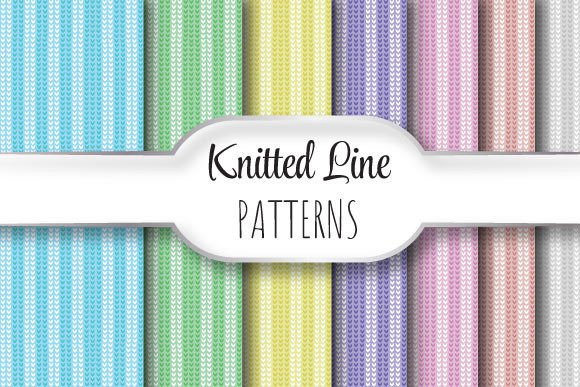
Knitted lines refer to the visual representation of stitches or threads that mimic the appearance of knitting. These lines can be straight, curved, or interwoven, depending on the design intent. They often create a sense of texture and depth without the need for complex illustrations.
One of the key features of knitted lines is their ability to convey warmth and softness. This makes them popular in branding, product packaging, and textile design. For example, a clothing brand might use knitted lines in its logo to evoke feelings of comfort and approachability.
Additionally, knitted lines can be used to create visual rhythm in a design. By repeating these lines in a structured or random manner, designers can guide the viewer's eye through the composition, making it more engaging and dynamic.
The Power of Seamlessly Repeating Patterns
A seamless repeating pattern is a design element that can be tiled infinitely without leaving gaps or overlaps. These patterns are commonly used in wallpaper, fabric, and digital backgrounds. The term "seamless" refers to the fact that the edges of the pattern match perfectly, allowing it to repeat smoothly without visible seams.
Seamless patterns are particularly useful in creating consistency and coherence in design projects. They allow for easy scalability and adaptability across different formats and sizes. For instance, a website background using a seamless pattern can maintain its aesthetic quality whether viewed on a mobile phone or a large monitor.
These patterns can be created using various tools, such as vector graphics software like Adobe Illustrator or Inkscape. Designers often start with a small base tile and then expand it to fit the desired dimensions while ensuring the pattern remains seamless.
Why Are These Elements Important in Modern Design?
Both knitted lines and seamless patterns play a significant role in modern design due to their adaptability and visual appeal. In today’s fast-paced digital landscape, designers need elements that are both functional and aesthetically pleasing. These design components offer just that.
- Visual Interest: Knitted lines and seamless patterns add visual interest without overwhelming the viewer.
- Consistency: Seamless patterns ensure consistency across different platforms and mediums.
- Flexibility: These elements can be easily adapted to suit various design needs and contexts.
- Professional Appeal: Incorporating these elements can elevate the professionalism and sophistication of a design project.
How to Use Knitted Lines and Seamless Patterns Effectively
Understanding how to apply these design elements effectively is crucial for achieving the desired outcome. Here are some practical tips:
- Start with a Clear Concept: Define the purpose and message of your design before incorporating any elements. This will help you choose the right type of pattern or line style.
- Experiment with Layouts: Try different arrangements and combinations to see what works best for your project. Sometimes, a simple layout can have a greater impact than a complex one.
- Consider the Audience: Think about who your design is intended for. For example, a children’s book might benefit from playful, colorful patterns, while a corporate brochure might require a more subdued and professional look.
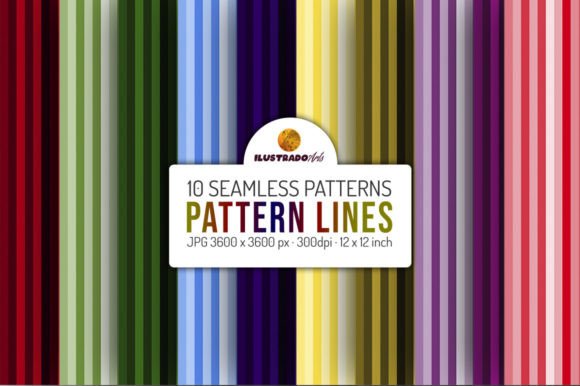
- Use High-Quality Files: When working with digital assets, always use high-resolution files to ensure clarity and sharpness. Files should be at least 300dpi and in appropriate formats like EPS or JPEG.
Technical Specifications and File Formats
When working with knitted lines and seamless patterns, it's important to understand the technical requirements and file formats. Here are some common specifications:
- Resolution: Files should be at least 300dpi to ensure high-quality output when printed or displayed digitally.
- Dimensions: Common sizes include 12 x 12 inches (3600 x 3600 pixels), which is suitable for most printing and digital uses.
- File Formats: EPS (Encapsulated PostScript) is ideal for vector-based designs, while JPEG is commonly used for raster images. A zip file may contain multiple files, such as one EPS and several JPEGs, allowing for flexibility in use.
Applications Across Industries
The use of knitted lines and seamless patterns extends beyond traditional design fields. Here are some examples of how they are applied in different industries:
1. Graphic Design and Branding
Brands often incorporate knitted lines into their logos and marketing materials to create a sense of warmth and approachability. Seamless patterns are also used in packaging to provide a cohesive and professional look.
2. Fashion and Textile Industry
In fashion design, knitted lines and seamless patterns are used to create fabric textures and prints. These elements help designers achieve a unique and eye-catching aesthetic in garments and accessories.
3. Web and Digital Design
For websites and digital interfaces, seamless patterns can be used as backgrounds to enhance user experience. Knitted lines can add visual interest to buttons, icons, and other interactive elements.
4. Education and Creativity
Designers and educators often use these elements to teach fundamental concepts in visual arts and design. They provide a hands-on way for students to explore texture, repetition, and composition.
Common Misconceptions About Knitted Lines and Patterns
Despite their popularity, there are some common misconceptions surrounding knitted lines and seamless patterns. One of the most prevalent is that they are only suitable for decorative purposes. However, these elements can be highly functional and versatile in various design contexts.
Another misconception is that creating seamless patterns requires advanced technical skills. While it can be challenging, many design tools and templates make the process accessible to beginners. With practice and experimentation, anyone can learn to create effective and visually appealing patterns.
Conclusion
Knitted lines and seamlessly repeating patterns are powerful design elements that offer both aesthetic and functional benefits. Whether you're a designer, artist, or enthusiast, understanding how to use these elements can greatly enhance your creative projects. By exploring their applications, technical requirements, and design principles, you can unlock new possibilities in your work and bring more creativity to your designs.
As technology and design continue to evolve, the importance of these elements will only grow. Embracing them can help you stay ahead in the ever-changing world of visual communication and design.