Exploring the Versatility of Abstract Flower Grid Repeated Pattern in Design and Creativity
The Abstract Flower Grid Repeated Pattern has emerged as a powerful design element that bridges the gap between artistic expression and functional application. This unique pattern, characterized by its geometric arrangement of floral motifs, offers an elegant blend of nature-inspired aesthetics and structured repetition. Whether you're working on print projects, packaging, textiles, or digital media, this pattern provides a versatile foundation for creative exploration.
The Anatomy of an Abstract Flower Grid Repeated Pattern
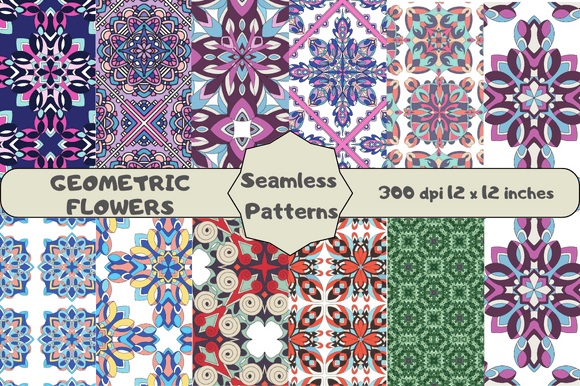
At its core, the Abstract Flower Grid Repeated Pattern is composed of multiple elements arranged in a grid-like structure. Each element typically features stylized floral shapes, often abstracted from traditional botanical forms. These elements are repeated across a canvas to create a seamless, continuous design. The key to mastering this pattern lies in understanding how these individual components interact within the larger composition.
The pattern can be constructed using as few as four distinct image elements, which are then replicated across the design space. This modular approach allows for flexibility in both design and production. By varying the placement, color, and scale of these elements, designers can achieve a wide range of visual effects while maintaining the integrity of the overall pattern.
Designing Your Own Pattern
Creating your own Abstract Flower Grid Repeated Pattern involves a thoughtful process of concept development, sketching, and digital refinement. Start by defining the central motif—this could be a single flower, a cluster of petals, or a more abstract representation of flora. Once the base element is established, consider how it will repeat across the design space.
For instance, a simple petal shape can be transformed into a complex floral motif through the addition of secondary elements such as leaves, stems, or abstract geometric shapes. These elements should complement the primary motif without overwhelming it. The goal is to create a cohesive visual language that resonates with the intended use of the pattern.
Using vector-based design tools like Adobe Illustrator or Inkscape allows for precise control over each component of the pattern. These tools also enable designers to maintain scalability and consistency, ensuring that the pattern remains sharp and clear at any size. Additionally, the ability to adjust spacing and alignment ensures that the final design is both aesthetically pleasing and functionally sound.
Applications Across Industries
The Abstract Flower Grid Repeated Pattern is not limited to one specific industry or medium. Its adaptability makes it suitable for a wide range of applications, including:
- Print Projects: Ideal for creating visually engaging backgrounds for brochures, posters, and promotional materials.
- Packaging: Adds a touch of elegance and sophistication to product boxes, labels, and wrapping paper.
- Textile and Fashion: Can be used to create fabric patterns, apparel designs, and accessories that stand out in a competitive market.
- Stationery: Perfect for notebooks, greeting cards, and other paper products that require a refined aesthetic.
- Wallpaper and Decor: Offers a modern yet timeless look for interior design projects.
- Scrapbooking: Provides a consistent and beautiful background for layouts, enhancing the overall visual impact.
Each of these applications benefits from the pattern’s ability to balance complexity with simplicity. The repeating nature of the design ensures that it remains visually interesting without becoming overwhelming, making it ideal for both large-scale and small-format projects.
Advantages of Using the Pattern
One of the most significant advantages of the Abstract Flower Grid Repeated Pattern is its versatility. Unlike traditional floral patterns that rely heavily on organic shapes, this design offers a more structured and controlled approach. This makes it particularly well-suited for commercial applications where consistency and scalability are essential.
Additionally, the pattern’s geometric structure allows for easy customization. Designers can modify individual elements to suit different themes or color schemes without disrupting the overall flow of the design. This flexibility is especially valuable in industries like fashion and textile manufacturing, where trends evolve rapidly and adaptability is key.
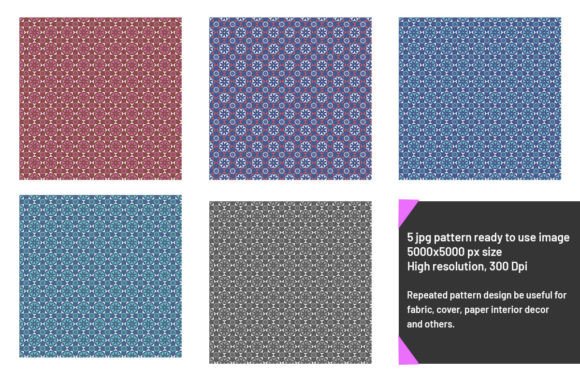
From a production standpoint, the high-resolution format (300 DPI) ensures that the pattern maintains its quality even when printed at large scales. This is crucial for applications such as wallpaper or packaging, where clarity and detail are paramount. The availability of ready-to-use images in various sizes further streamlines the design process, allowing creators to focus on innovation rather than technical execution.
Considerations for Effective Use
While the Abstract Flower Grid Repeated Pattern offers numerous benefits, there are several considerations to keep in mind when incorporating it into your projects:
- Color Harmony: Choose colors that complement the intended use of the pattern. For example, pastel shades may work well for stationery, while bold colors might be more appropriate for fashion or branding.
- Scale and Repetition: Ensure that the pattern repeats seamlessly without visible seams or disruptions. This requires careful attention to alignment and spacing during the design process.
- Cultural Sensitivity: When using floral motifs, be mindful of cultural associations and symbolism. Some flowers carry specific meanings in different regions, so it's important to research and respect these nuances.
- Technical Requirements: Always verify that the final output meets the required resolution and file format specifications, especially for print and digital applications.
By addressing these considerations, designers can maximize the potential of the Abstract Flower Grid Repeated Pattern while ensuring that their work aligns with both aesthetic and practical goals.
Real-World Examples and Observations
In practice, the Abstract Flower Grid Repeated Pattern has been successfully integrated into a variety of real-world projects. For instance, a boutique clothing brand recently used this pattern to create a line of dresses and scarves, resulting in a distinctive and marketable product. The pattern’s structured yet artistic nature allowed the brand to differentiate itself from competitors while maintaining a cohesive brand identity.
Another notable example comes from the packaging industry, where the pattern was applied to a line of luxury skincare products. The design added a sense of elegance and sophistication, enhancing the perceived value of the products. Customers responded positively to the unique aesthetic, leading to increased sales and brand loyalty.
These examples highlight the pattern’s ability to transcend traditional boundaries and find relevance in diverse contexts. Whether used for personal projects or commercial ventures, the Abstract Flower Grid Repeated Pattern continues to inspire and innovate across disciplines.