Abstract Flower: A Strategic Design Tool for Creative and Business Success
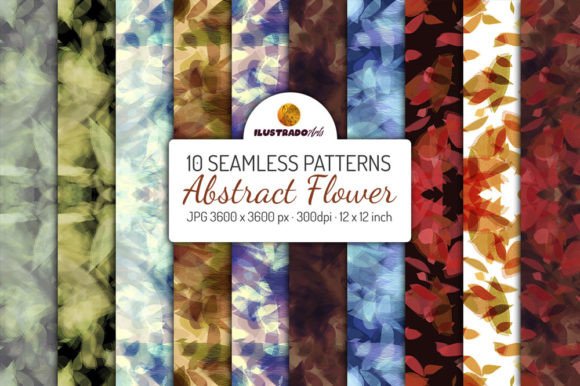
In the world of design, where aesthetics meet functionality, Abstract Flower stands out as a versatile and impactful resource. This Set of 10 Abstract Flower Digital Paper patterns offers more than just visual appeal—it provides a strategic foundation for creativity, branding, and communication. Whether you're an entrepreneur, designer, or content creator, understanding how to use Abstract Flower intentionally can elevate your projects and align them with your goals.
The Strategic Value of Abstract Flower in Design
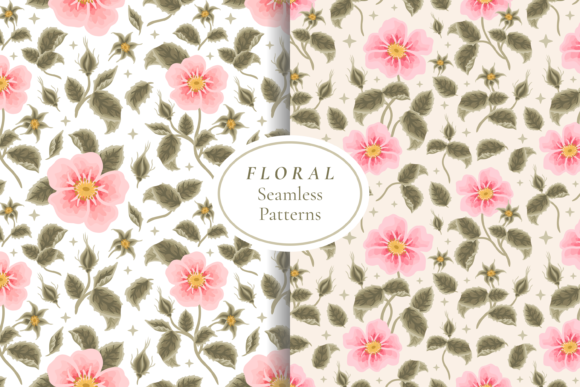
Abstract Flower is not merely a decorative element; it's a design language that communicates emotion, identity, and purpose. Each pattern in the set is crafted to evoke a sense of nature, elegance, and modernity, making it ideal for a wide range of applications—from invitations and book covers to digital albums and T-shirts.
What makes Abstract Flower strategically useful is its ability to support multiple objectives simultaneously. It can serve as a visual anchor for branding, a creative stimulus for content development, and a functional tool for enhancing user experience. By integrating Abstract Flower into your workflow, you create a cohesive and meaningful design language that resonates with your audience.
When and How to Use Abstract Flower Effectively
Understanding when to use Abstract Flower is key to maximizing its impact. Consider using these patterns in scenarios where you need to convey a sense of beauty, sophistication, or natural inspiration without being too literal. For instance:
- Invitations and Event Materials: The soft, flowing lines of Abstract Flower can create a calming and elegant atmosphere for weddings, art shows, or product launches.
- Paper Crafts and Stationery: These patterns add depth and interest to handmade cards, planners, and notebooks, helping to differentiate your work in a competitive market.
- Branding and Packaging: Incorporating Abstract Flower into logos, packaging, or website backgrounds can reinforce brand identity while maintaining a clean and professional look.
- Digital Content Creation: From social media posts to blog headers, Abstract Flower adds a touch of originality and artistic flair to your digital presence.
To approach Abstract Flower effectively, start by defining your purpose and audience. Ask yourself: What message do I want to communicate? Who am I trying to reach? Once you have clarity on these points, you can select the most appropriate pattern and apply it in a way that supports your goals.
Planning Tips for Using Abstract Flower Strategically
Integrating Abstract Flower into your design process requires thoughtful planning. Here are some practical tips to help you make the most of this resource:
- Define Your Vision: Before applying any design elements, ensure they align with your overall vision and values. Abstract Flower should enhance, not overshadow, your core message.
- Test Across Platforms: Since the patterns are high-resolution (300 dpi, 3600 x 3600 px), they will print beautifully. However, always test how they appear on different screens and devices to maintain consistency.
- Balance with Other Elements: While Abstract Flower is visually striking, it should be used in moderation. Pair it with text, color schemes, and other design elements to create a balanced composition.
- Consider Branding Consistency: If you're using Abstract Flower for branding, ensure that the patterns complement your existing visual identity. Avoid overuse or conflicting styles that may confuse your audience.
- Explore Multiple Applications: Don't limit yourself to one use case. Experiment with Abstract Flower across different formats—print, digital, and even physical products—to discover new opportunities.
Risks of Using Abstract Flower Without Clear Goals
While Abstract Flower is a powerful design tool, it can also be misused if not applied with intention. One of the main risks is over-reliance on the patterns without considering their relevance to your specific project or audience. This can lead to visual clutter, brand dilution, or message confusion.
Additionally, using Abstract Flower randomly or without a clear strategy can result in inconsistent branding. For example, applying the same pattern across all marketing materials may create a disjointed brand image, especially if the context or purpose of each material varies significantly.
To avoid these pitfalls, always align the use of Abstract Flower with your broader objectives. Ask yourself: Does this pattern support my goal? Is it relevant to my audience? Will it enhance the overall experience?
Long-Term Benefits of Intentional Use
When used intentionally, Abstract Flower can provide long-term value beyond immediate design outcomes. It helps build a visual brand identity that is both memorable and consistent. Over time, this can increase recognition, trust, and engagement with your audience.
Moreover, Abstract Flower encourages creative thinking and problem-solving. By experimenting with different patterns and applications, you develop a deeper understanding of design principles and how they can be applied to various contexts. This skillset is invaluable for professionals looking to innovate and adapt in a rapidly changing industry.
Finally, Abstract Flower can also support learning and growth. As you explore new ways to incorporate the patterns into your work, you'll gain insights into design trends, user preferences, and effective communication strategies. This continuous learning process enhances your ability to make informed decisions and achieve better results.
Conclusion
Abstract Flower is more than just a design asset—it's a strategic tool that can elevate your creative and business efforts. By understanding its potential, using it intentionally, and aligning it with your goals, you can unlock new opportunities for innovation, branding, and customer engagement.